 Skip to content
Home » Services » Affordable Housing Financial Structuring
SHAMROCK DEVELOPMENT
Affordable Housing Financial Structuring
Building capital stacks that close: debt, equity, and tax credits structured for affordable housing projects that get funded and built.
Overview
What Is Affordable Housing Financial Structuring?
Affordable housing financial structuring is the work of assembling every dollar a project needs, and proving it works before a shovel hits the ground. At Shamrock Development, we design the full capital stack: layering debt financing, equity financing, tax credit equity, and gap financing into a Sources and Uses statement that lenders, investors, and housing agencies will approve.
With 27+ years across more than 20 states, we turn complex, multi-source affordable housing financing into deals that actually close. We don’t build; we engineer the project finance, the underwriting, and the funding strategy that make affordable housing development financeable.

Services
Affordable Housing Finance, Structured to Close
Capital Stack Design
Layer senior debt, LIHTC equity, soft funds, and gap financing into a Sources and Uses statement that balances and closes.
LIHTC Financial Structuring
Structure 9% and 4% LIHTC deals, sizing tax credit equity, modeling syndication proceeds, and aligning with the Qualified Allocation Plan.
Underwriting & Modeling
Build the affordable housing financial model (pro forma, DSCR, LTV, and NOI) that survives lender and investor due diligence.
Feasibility & Strategy
Run the financial feasibility study, market study, and risk assessment that prove the project pencils before you commit capital.
Structuring Elements
Every Source, Every Layer, Engineered to Balance
No affordable housing project runs on one check. We build the affordable housing capital stack from the ground up, matching each source to its place in your development budget:
- •Construction financing and permanent financing sized to your timeline and pro forma.
- •Debt financing: bank loans, tax-exempt bonds, and FHA/HUD-insured multifamily debt.
- •Equity financing and tax credit equity raised through LIHTC syndication.
- •Gap financing: HOME, CDBG, Housing Trust Fund, deferred developer fee, and soft loans.
- •A clean Sources and Uses statement that ties debt, equity, and subsidy into one fundable deal.
The Sources & Uses Matrix
Balancing sources and uses in an affordable housing deal requires integrating federal interest rules, developer fee limits, acquisition basis restrictions, and tax credit rules.
Our deal engineers ensure every source fits its exact legal and structural constraints, generating a friction-free funding process for all capital providers.
Tax Credit Equity
LIHTC & Tax Credit Equity Structuring
The Low-Income Housing Tax Credit is the engine of affordable housing finance, and the hardest piece to structure right. We size and place both 9% LIHTC and 4% LIHTC, model tax credit syndication proceeds, and structure deals to satisfy the Internal Revenue Service, your state agency’s Qualified Allocation Plan, and National Council of State Housing Agencies (NCSHA) standards. Whether you’re chasing a competitive 9% allocation or pairing 4% credits with tax-exempt bond financing, we make the tax credit equity work inside your capital stack, and we structure it to close.
Programs
Public & Government Funding Sources We Know Cold
Affordable housing finance runs on a maze of federal, state, and local programs. We know which ones fit your project and how to layer them without tripping compliance:
HUD & FHA Multifamily
U.S. Department of Housing and Urban Development (HUD) programs and FHA-insured multifamily debt.
HOME Program
HOME Investment Partnerships Program providing gap financing for affordable developments.
CDBG Grants
Community Development Block Grant (CDBG) funding allocations layered into capital stacks.
Housing Trust Funds
State and local Housing Trust Fund dollars allocated for very low-income residents.
Section 8 & PBV
Section 8 Housing Choice Voucher Program and Project-Based Vouchers that secure operating revenue.
FHLB AHP
Federal Home Loan Bank Affordable Housing Program (AHP), backed by the Federal Housing Finance Agency.
Tax-Exempt Bonds
Tax-exempt bond financing through state housing finance agencies to qualify projects for 4% LIHTCs.
Rigor & Analysis
Underwriting That Holds Up to Scrutiny
Lenders and investors don’t fund optimism, they fund numbers that survive due diligence. Our affordable housing underwriting puts every assumption to the test:
Pro Forma Analysis
Cash flow analysis across the full 15-to-30-year compliance hold period.
Sizing Metrics
Debt Service Coverage Ratio (DSCR) and Loan-to-Value (LTV) sizing verification.
NOI Modeling
Net Operating Income (NOI) modeling and stress testing against variable expense trends.
Feasibility Studies
Financial feasibility study and supporting market study validation.
Risk Assessment
Comprehensive risk assessment that flags operational and compliance problems before your funders do.
Due Diligence Defeated
Capital providers ask challenging questions during underwriting. Our pro formas are structured to match institutional standards from day one, answering due diligence questions before they are asked.
By anticipating syndicator, lender, and state agency audits, we accelerate the transaction timeline by weeks.
Asset Classes
Built for Every Affordable Housing Asset Class
From single-asset deals to portfolio recapitalizations, we structure financing across the full range of affordable housing development:
Multifamily Affordable Housing
LIHTC and bond-financed apartment communities, new construction and acquisition-rehab.
Workforce & Mixed-Income Housing
Blended-income deals that balance market-rate revenue with affordability requirements.
Senior Housing
Age-restricted communities structured with LIHTC, HUD 202, and soft funding layers.
Transit-Oriented & Opportunity Zone
TOD and Opportunity Zone projects structured to maximize tax and investment benefits.
Timeline
From Funding Gap to Financial Close
Our structured process guides developers through the capital structuring lifecycle to secure funding:
1. Feasibility & Discovery
Review the project, run the market study, and confirm it can pencil before you spend.
2. Capital Stack Design
Map every source and use: debt, equity, tax credits, and gap funds, into a balanced structure.
3. Financial Modeling & Underwriting
Build the pro forma, size the debt against DSCR and LTV, and pressure-test the returns.
4. Applications & Commitments
Pursue LIHTC allocations, bond inducements, soft-fund awards, and lender commitments.
5. Financial Close
Coordinate investors, lenders, and agencies to reach close and fund the deal.
Why Shamrock
Why Developers Trust Shamrock With the Numbers
Developers trust Shamrock Development because of our institutional underwriting standard and specialized transactional focus:
- •27+ years structuring affordable housing finance across more than 20 states.
- •Deep command of LIHTC, HUD, tax-exempt bonds, and every major affordable housing funding source.
- •Financial models and underwriting built to close, not just to look good in a pitch deck.
- •A national consulting partner who has rescued and recapitalized deals others walked away from.

Portfolio
Where Happiness Lives
Explore a selection of affordable housing developments engineered and structured by our advisory team.
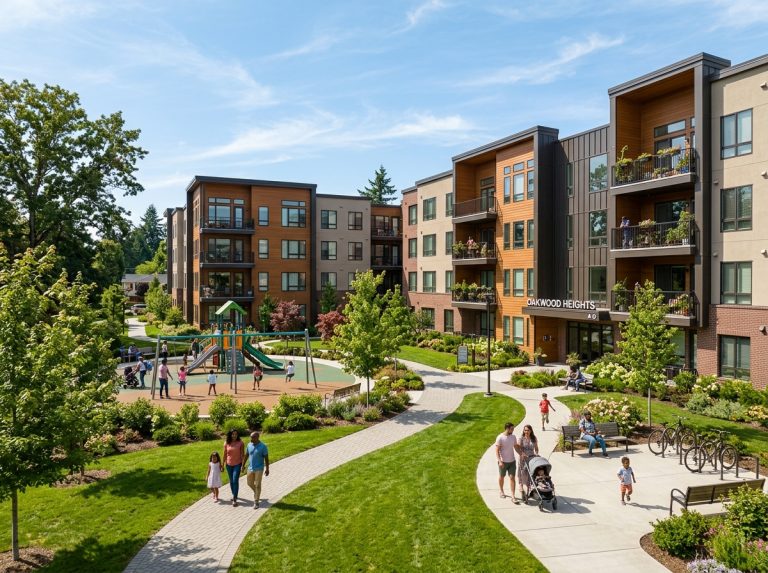
Multi-family tax credit properties featuring complex capital stacks structured with 9% LIHTC equity, FHA debt, and local soft funding layers to ensure 30+ years of affordability.
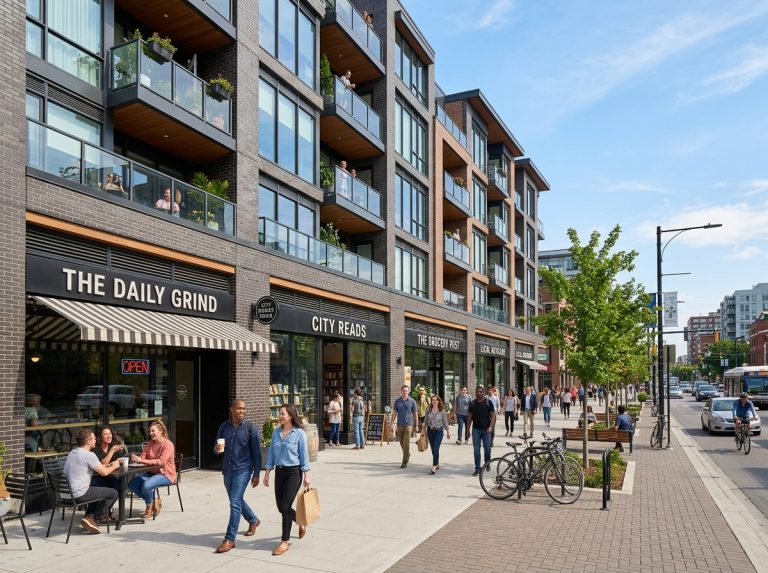
Centrally located municipal assets transformed into thriving communities combining ground-floor commercial space with high-density affordable housing units.

State-of-the-art office spaces and business facilities engineered with green technology, energy conservation systems, and optimal structural value.
Testimonials
Our Biggest Award Is Developing Thriving Communities

FAQ
Frequently Asked Questions
What is affordable housing financial structuring?
It’s the process of assembling and validating all the capital a project needs, debt, equity, tax credits, and gap financing, into a balanced capital stack and Sources and Uses statement that lenders, investors, and agencies will approve.
What is the capital stack in affordable housing?
The capital stack is the full layering of funding sources behind a project, typically construction and permanent debt, LIHTC equity, and gap financing like HOME, CDBG, or Housing Trust Fund dollars, each with its own terms and repayment priority.
How does LIHTC financing work?
The Low-Income Housing Tax Credit lets developers sell tax credits to investors in exchange for upfront equity. 9% credits fund new construction without other federal subsidy; 4% credits pair with tax-exempt bonds. We size, structure, and syndicate both.
What’s the difference between debt and equity financing?
Debt is borrowed capital you repay with interest (bank loans, bonds); equity, often tax credit equity, is investment capital that takes an ownership stake and a return instead of repayment. Most affordable deals blend both, plus gap financing.
Do you build affordable housing?
No, We’re a consulting firm. We structure the financing, underwriting, and capital stack, then guide your team through financial close. We advise and execute the financial strategy; we don’t physically build.
Resources
Recommended Supporting Resources
Read our recent analyses and guides on structuring affordable housing developments successfully:
Get Started
Ready to Structure Your Deal?
Bring us your project, a funding gap to fill, a LIHTC deal to structure, or a stalled deal to rescue. We’ll build the affordable housing capital stack that closes.